Industry Playbooks
A Weekly Team Routine for Google Review Requests
Learn how to get more google reviews for my business with a weekly team routine that clarifies ownership, checks permissions, and prevents duplicate asks.

Stop the Friday guessing
Take review requests off your mental checklist when Friday cleanup starts and nobody knows who already asked which customer. If you are figuring out how to get more google reviews for my business with a weekly team routine, start with ownership rather than a clever message.
At a coffee shop, salon, or repair business, the practical question is the same: who checks that requests were handled before the next shift takes over? A small, repeatable process makes that question easier to answer without relying on the owner to remember every conversation.
Give the task a home
Choose a weekly checkpoint that already fits your operation, such as preparing the next staff schedule. Name a person responsible for checking review requests and a backup for days they are away. The owner does not have to carry both roles.
Write down what the task includes: checking completed customer visits, confirming permission to text, sending appropriate requests, and recording what happened. Keep this checklist in your existing team workspace. Do not scatter ownership across sticky notes, private phones, and conversations that the next shift cannot see.
Check eligibility before sending
Use the weekly checkpoint to review your process, not to send another request to everyone on your customer list. Check whether the service is complete, whether a request was already sent, and whether the customer has asked not to receive texts.
Apply the same neutral invitation criteria regardless of whether someone sounded delighted or disappointed. Never make a positive reaction the entry requirement. Confirm that your permission and opt out practices meet the requirements that apply to your business before sending review requests by text.
Leave a usable handoff
Keep a simple record of the customer, the responsible teammate, and whether the request is pending, sent, or not appropriate to send. Limit access to people who need it. Record only the information needed to prevent confusion and duplicate contact.
Use a neutral message: “Thanks for visiting [business name]. If you would like to share your experience, you can leave a Google review here: [review link].” At the weekly handoff, resolve pending items and confirm who owns the next check. Judge the routine by clear records and completed tasks, not whether every customer posts.
Support the routine with texting
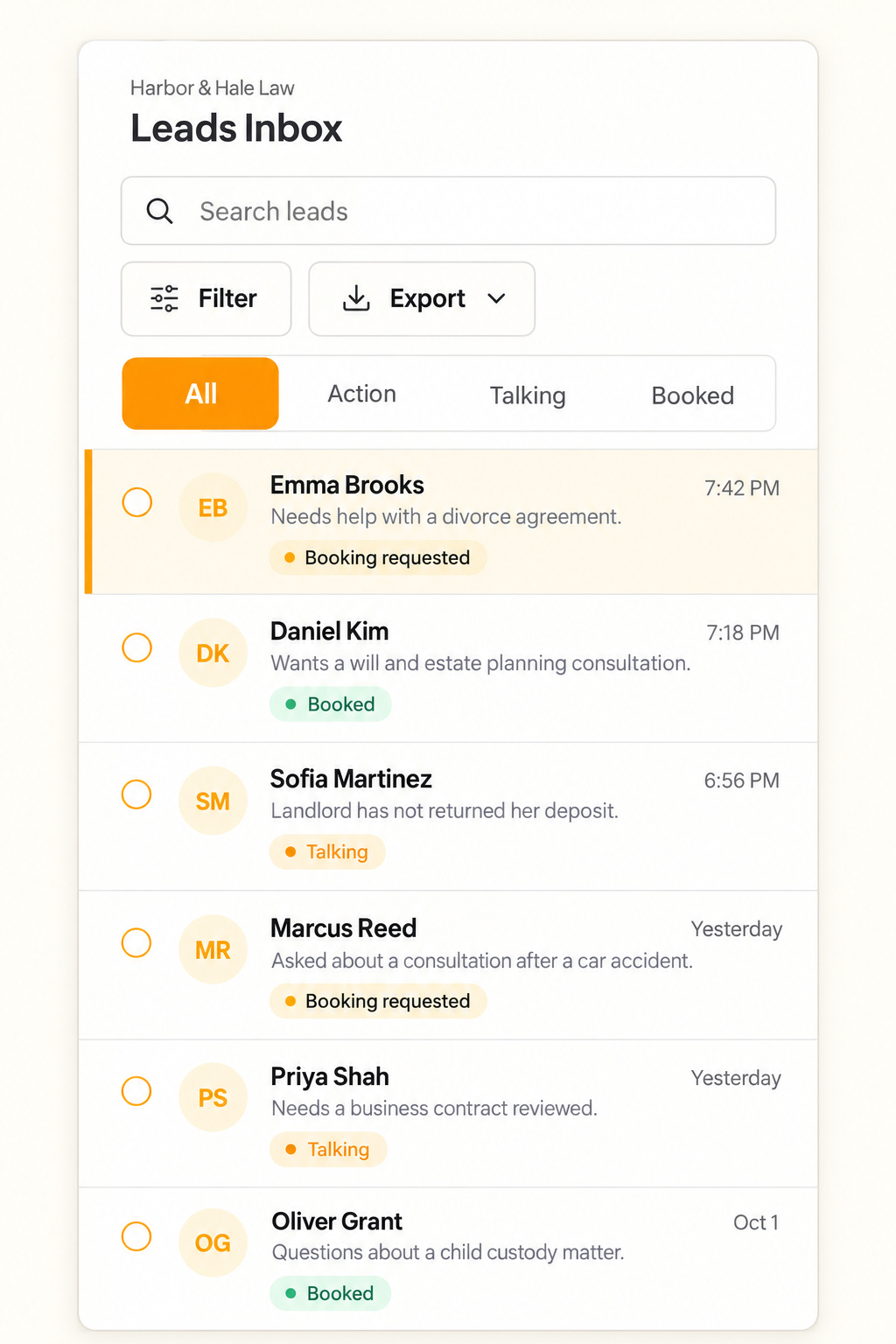
Text.st lets businesses send review requests by text. Its shared Inbox shows every conversation to the team, and team members can reply. These capabilities support a handoff where teammates can see the conversation rather than guess what was said. Keep your weekly checklist alongside that process.
Messaging certification can be required before business texting, and Text.st assists with it. Messaging usage and carrier charges are separate from the subscription. [Get your business texting number with Text.st.](https://app.text.st/auth)
Common questions
Should we wait until our weekly checkpoint to send every request?No. Treat the weekly checkpoint as a check on ownership and unfinished work, rather than a required sending day. Your team can send appropriate requests after completed service, then use the checkpoint to confirm what happened and prevent another teammate from asking the same customer again.
What should the backup do when the review request owner is away?The backup should check the shared record before sending anything, confirm permission and request status, and take responsibility for pending items. Record the handoff clearly so the returning teammate knows what was handled. If the record is unclear, investigate rather than assume no request was sent.
What if our weekly checklist shows requests but no new reviews?Check whether the invitation is clear, the review link works, and requests go to customers who have completed service and can appropriately receive them. Do not pressure customers or repeatedly chase a review. Keep the weekly discussion focused on process gaps your team can actually fix.